
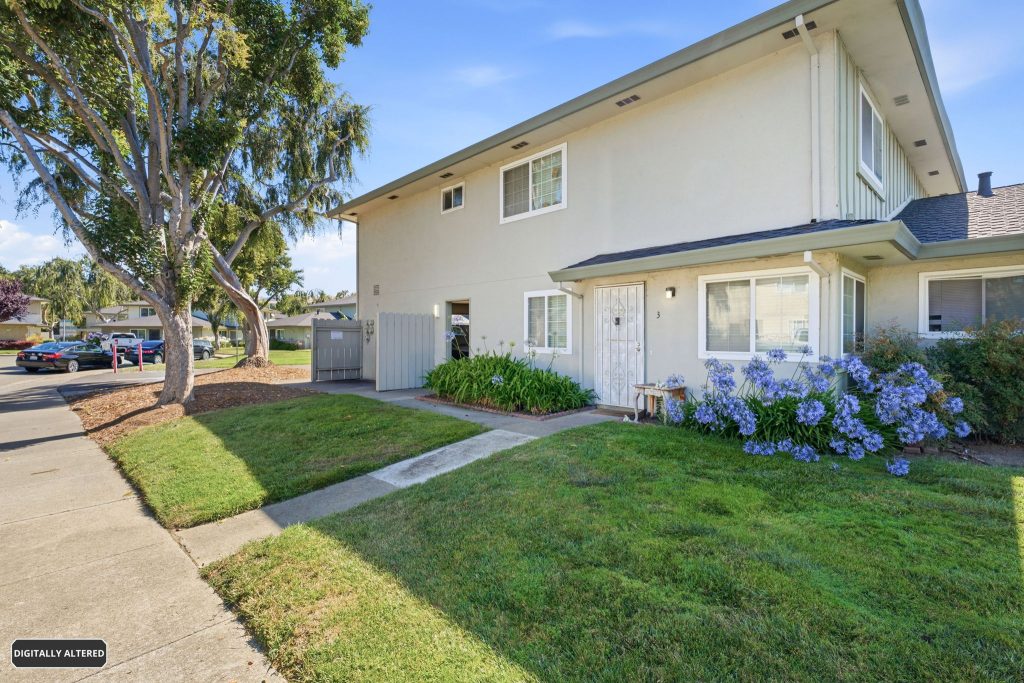
For many veterans and active-duty service members, the VA home loan is one of the most valuable benefits ever earned through military service. Yet despite its many advantages, VA financing remains one of the most misunderstood mortgage programs, particularly when it comes to purchasing a condominium or townhome with a homeowners association (HOA). Many buyers have heard that VA loans are difficult to use, that sellers don’t like VA offers, or that condominiums rarely qualify for financing. In my experience, none of those assumptions accurately reflect today’s market.
As both a California real estate broker and attorney specializing in East Bay condominiums and townhomes, I’ve worked with veterans purchasing homes throughout Contra Costa and Alameda Counties. While VA financing does involve a few additional considerations, it remains one of the strongest financing options available and often provides buyers with significant advantages over conventional loan programs. Understanding the process before beginning your home search can save time, reduce stress, and help you confidently compete in today’s market.
One of the greatest benefits of a VA loan is that qualified borrowers can often purchase a home with no down payment while also avoiding monthly private mortgage insurance. In today’s East Bay housing market, where even an entry-level condominium can represent a significant investment, preserving cash can make an enormous difference. Rather than using tens or even hundreds of thousands of dollars for a down payment, many veterans are able to keep those funds available for moving expenses, future renovations, emergency reserves, or other investments. Combined with competitive interest rates and flexible underwriting guidelines, the VA loan remains one of the most valuable mortgage products available anywhere in the country.
Purchasing a condominium or townhome, however, differs from buying a detached single-family residence. When you purchase a condominium, you are buying your individual residence while simultaneously becoming a member of a homeowners association that owns and maintains the common areas, exterior structures, landscaping, and many of the building systems. Because your investment depends not only on your individual home but also on the financial health of the entire association, lenders take a much closer look at the condominium project itself.
This is where many buyers become confused. They often hear that “the condo must be VA approved” without fully understanding what that means. In most cases, condominium developments must appear on the Department of Veterans Affairs’ approved condominium list before a VA loan can be used. If the project has already been approved, financing generally proceeds much like any other mortgage transaction. If it has not been approved, there may still be options depending upon the lender and the circumstances, but the approval process can add time to the transaction. One of the easiest ways to avoid unnecessary surprises is to determine whether a community is VA approved before writing an offer.
Townhomes add another layer of confusion because not every townhome is legally classified as a condominium. Some townhomes are organized as Planned Unit Developments, commonly referred to as PUDs. In these communities, homeowners generally own both the structure and the land beneath it. Many PUDs do not require condominium project approval. Other townhomes, however, are legally condominiums even though they look identical from the street. The legal ownership structure—not the architectural style—determines how the property is financed. An experienced lender or knowledgeable real estate broker can usually determine this very early in the process.
Regardless of whether the property is a condominium or townhome, the homeowners association deserves careful review. A well-managed HOA protects both homeowners and lenders by maintaining the property, planning for future repairs, and preserving long-term property values. During the loan process, lenders commonly review the association’s financial statements, reserve funding, annual operating budget, insurance coverage, pending litigation, delinquency rates, owner-occupancy levels, and whether any special assessments have been proposed or approved. Buyers should review these same documents carefully during escrow. A financially healthy homeowners association often translates into fewer unexpected expenses and stronger resale values over time.
Many first-time buyers also become concerned when they see monthly HOA dues. In reality, those dues frequently cover expenses that homeowners would otherwise pay individually. Depending upon the community, HOA fees may include exterior maintenance, roof replacement, master hazard insurance, landscaping, water, sewer, garbage service, swimming pools, fitness centers, clubhouses, private roads, security gates, and reserve funding for future capital improvements. Rather than focusing solely on the monthly amount, buyers should understand exactly what services and protections those dues provide. A community with higher dues may actually represent better long-term value than one with lower dues but inadequate reserves or deferred maintenance.
Perhaps the biggest misconception surrounding VA financing involves the condition of the property itself. Contrary to popular belief, the Department of Veterans Affairs does not require homes to be completely remodeled or cosmetically perfect. The VA’s primary concern is that the home be safe, structurally sound, sanitary, and suitable for occupancy. These standards are known as the Minimum Property Requirements, or MPRs.
Every VA purchase requires an appraisal performed by a VA-approved appraiser. In addition to determining market value, the appraiser evaluates whether the property meets these minimum standards. For condominiums and townhomes, the appraiser’s focus is generally the individual residence rather than conducting a detailed inspection of the entire development. However, if obvious health or safety concerns exist throughout the complex, those issues may receive additional scrutiny.
The roof should have a reasonable remaining life expectancy and be free of active leaks. Minor wear associated with age is generally acceptable, but evidence of ongoing water intrusion or major deterioration may require repair before closing. Heating systems must be permanently installed and fully operational. Portable space heaters are not considered acceptable substitutes. Although air conditioning is not required by the VA, if a central air conditioning system is present it should generally be functional.
The electrical system should operate safely throughout the residence. Exposed wiring, overloaded electrical panels, missing outlet covers, damaged switches, or other obvious fire hazards commonly require correction before funding. Plumbing should provide working hot and cold water, functional sinks, showers, bathtubs, and toilets with adequate water pressure. Active leaks or significant plumbing deficiencies will usually require repair.
Doors and windows should open, close, and lock properly while providing reasonable security. Broken windows, damaged exterior doors, or missing glass often become conditions that must be corrected. The home should also be free from active water intrusion, significant mold caused by ongoing moisture, or obvious structural instability. Large foundation movement, collapsing retaining walls, unstable balconies, severely deteriorated decks, or unsafe stairways may require further evaluation before financing can proceed.
Smoke detectors and carbon monoxide detectors must comply with California law. In older homes built before 1978, peeling or deteriorated paint may require correction because of potential lead-based paint concerns. Wood-destroying pests can also become an issue. While minor termite activity does not necessarily prevent financing, extensive active infestation or structural dry rot affecting the safety or integrity of the home generally must be addressed before closing.
The encouraging news is that the overwhelming majority of well-maintained condominiums and townhomes throughout the San Francisco East Bay satisfy these requirements without significant difficulty. Newer communities in San Ramon, Dublin, Pleasanton, Walnut Creek, and Fremont rarely experience issues beyond occasional minor repairs. Older developments in Oakland, Berkeley, Richmond, Concord, or Hayward may require additional attention to deferred maintenance, but most concerns are identified early enough for buyers and sellers to negotiate repairs before the transaction closes.
One important point cannot be emphasized enough: a VA appraisal is not a home inspection. Although both occur during escrow, they serve entirely different purposes. The appraisal protects the lender by establishing market value and confirming the property meets the VA’s minimum habitability standards. A professional home inspection is far more comprehensive and evaluates the home’s roofing, plumbing, electrical systems, appliances, HVAC equipment, moisture intrusion, windows, insulation, structural components, and numerous other items that may not affect financing but could significantly influence future ownership costs. Regardless of financing type, every buyer should strongly consider obtaining a thorough home inspection.
Another misconception that occasionally surfaces is that sellers prefer not to accept VA offers. While that may have been true decades ago, today’s VA buyers are often among the strongest purchasers in the marketplace. Many veterans have excellent credit, stable employment, significant financial reserves, and substantial purchasing power. A properly prepared VA offer accompanied by strong earnest money, reasonable timelines, and experienced representation can compete successfully against virtually any financing program. Most sellers simply want confidence that the transaction will close smoothly.
Throughout the San Francisco East Bay, veterans frequently search for condominiums and townhomes in communities such as Walnut Creek, Pleasant Hill, Concord, San Ramon, Dublin, Pleasanton, Fremont, Union City, Hayward, Emeryville, Berkeley, Oakland, Richmond, and Albany. Each city offers its own mix of homeowner associations, amenities, price points, architectural styles, and financing considerations. Some communities emphasize resort-style amenities with swimming pools, fitness centers, and clubhouses, while others focus on lower monthly dues and smaller homeowner associations. Understanding these differences before beginning your search allows buyers to identify communities that best match both their lifestyle and financial goals.
The most common mistakes veteran buyers make are surprisingly easy to avoid. Waiting until escrow to determine whether a condominium project is VA approved can delay or even derail a transaction. Focusing only on monthly HOA dues without understanding what those dues include can lead buyers to overlook otherwise excellent communities. Failing to review homeowners association financial documents may expose buyers to future special assessments or maintenance concerns. Finally, assuming the VA appraisal replaces a professional home inspection can leave important maintenance issues undiscovered until after closing.
For veterans considering condominium or townhome ownership, the VA loan remains one of the most powerful home financing tools available. It provides qualified buyers with opportunities that few conventional mortgage programs can match while making homeownership more attainable throughout the San Francisco East Bay. Success begins with understanding the financing process, selecting the right community, reviewing HOA documents carefully, and working with professionals who regularly handle VA transactions involving condominiums and townhomes.
Whether you’re purchasing your first home, relocating to the Bay Area, or using your VA benefit again after previous homeownership, careful planning and knowledgeable guidance can make the process remarkably smooth. With proper preparation, VA financing can open the door to exceptional homeownership opportunities throughout Contra Costa County, Alameda County, and the greater East Bay.
If you’re considering purchasing a condominium or townhome using your VA benefits, I’d be happy to help you understand which communities may be the best fit for your financing, explain the differences between condominiums and planned unit developments, review HOA considerations, and guide you through every step of the transaction. My goal is not simply to help you buy a home, but to help you make an informed decision that will serve you well for years to come.
Derek M. Wagley, Esq.
Broker Associate | Keller Williams Realty
California DRE #01724531 | 925-451-6679 or dwagley@kw.com