
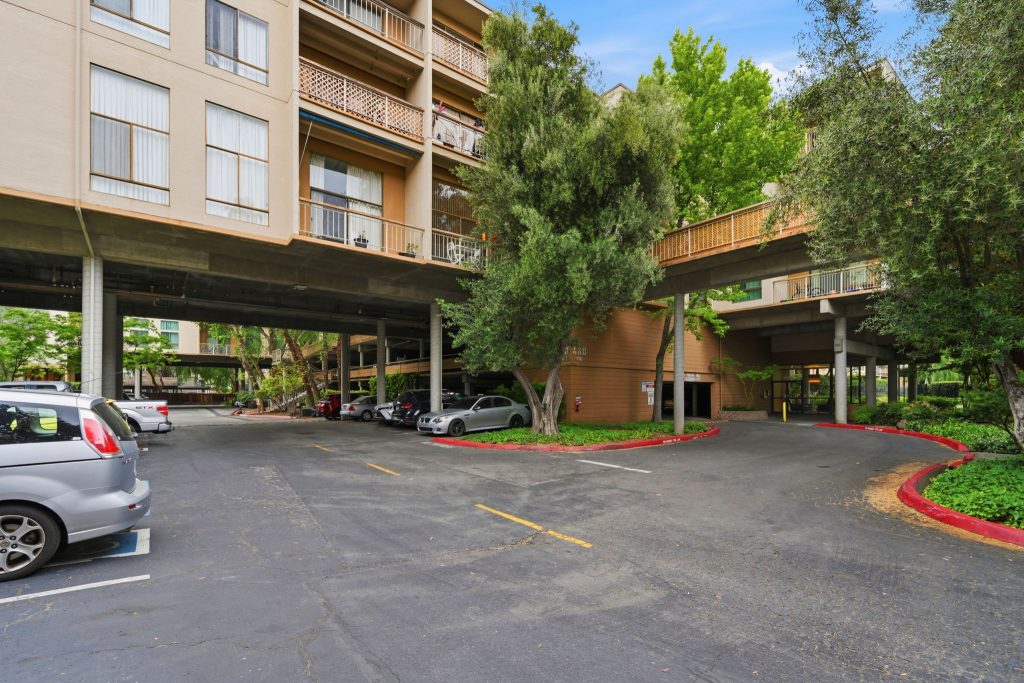
If you’ve spent any time shopping for a condominium or townhome, you’ve probably come across the term “unwarrantable condo.” It’s one of those real estate phrases that immediately raises concern. Buyers often assume something must be seriously wrong with the property, and many simply move on without asking another question. That’s understandable, but in many cases it’s also a missed opportunity.
Over the years, I’ve represented buyers and sellers throughout Contra Costa and Alameda Counties, and one thing I’ve learned is that the word “unwarrantable” tells only a small part of the story. It doesn’t necessarily mean the property is a poor investment, that the homeowners association is financially unstable, or that financing is impossible. More often than not, it simply means the development doesn’t currently meet one or more lending guidelines established by Fannie Mae or Freddie Mac.
Those guidelines are designed to reduce risk for lenders, but they don’t always reflect whether a community is well managed or whether it’s a desirable place to live. Some of the Bay Area’s most recognizable condominium communities have been considered unwarrantable at one point or another. Buyers who understand why a project falls into that category often discover opportunities that many other buyers overlook.
Whether you’re searching for a condominium in Walnut Creek, Concord, Pleasant Hill, San Ramon, Oakland, Berkeley, Emeryville, Fremont, Hayward, Richmond, Dublin, or Pleasanton, understanding how unwarrantable condominiums work can dramatically expand your buying opportunities. In a competitive market where inventory is often limited, ruling out every unwarrantable project without understanding the facts can mean passing on an excellent home and, potentially, an excellent investment.
When most people purchase a detached home, the lender is primarily evaluating the borrower and the property itself. Condominiums are different because every owner shares responsibility for the common areas, roofs, exterior maintenance, insurance, landscaping, parking, pools, clubhouses, and other shared portions of the development. If the homeowners association experiences financial problems, every owner’s investment can be affected. Because of that shared ownership structure, lenders evaluate not only the buyer but also the financial strength of the homeowners association before approving many condominium loans.
Most conventional mortgages are eventually sold to Fannie Mae or Freddie Mac. Those agencies establish standards that both borrowers and condominium developments must satisfy. When a project falls outside those standards, lenders refer to it as unwarrantable, or sometimes “non warrantable.” The terms mean exactly the same thing. They simply describe a condominium project that does not currently satisfy conventional agency lending requirements.
That distinction is important because buyers often confuse “unwarrantable” with “undesirable.” The two are not the same.
There are numerous reasons why a condominium may become unwarrantable, and many have little to do with the overall quality of the community. One of the most common reasons is pending litigation. Construction defect lawsuits are fairly common throughout California, particularly in newer developments where homeowners are pursuing the original developer for defective construction. Ironically, those lawsuits are often intended to improve the community by correcting major defects, yet many lenders become reluctant to finance units while litigation remains active.
Reserve funding is another common issue. Every homeowners association should be setting aside money for future expenses such as roof replacement, exterior painting, pavement repairs, balconies, elevators, plumbing infrastructure, and other major capital improvements. If reserves are significantly underfunded, lenders become concerned because future special assessments may become necessary.
Insurance has become another growing issue throughout California. Rising insurance costs have forced many associations to modify coverage or accept larger deductibles. In some situations, the community itself may be financially healthy and exceptionally well maintained, but the available insurance no longer satisfies current agency lending guidelines.
Investor ownership is another factor lenders evaluate carefully. Fannie Mae and Freddie Mac generally prefer communities where most owners actually live in their homes. If a large percentage of units are tenant occupied, the project may no longer qualify for agency financing even though it remains a perfectly desirable place to live.
Mixed-use developments containing significant retail or commercial space can also become unwarrantable because agency guidelines limit how much of a project may be devoted to commercial use. Likewise, deferred maintenance involving roofs, balconies, stairways, siding, or structural components may temporarily affect financing until repairs have been completed.
Occasionally, the reason is surprisingly simple. A homeowners association may fail to complete lender questionnaires, update governing documents, or renew project certifications. Buyers are often surprised to learn that a condominium project can become unwarrantable because of administrative issues rather than serious financial problems.
This topic is particularly important throughout the San Francisco East Bay because many condominium communities were built during the 1970s, 1980s, and 1990s. Established developments throughout Walnut Creek, Concord, Pleasant Hill, Oakland, Berkeley, Emeryville, Richmond, Hayward, Fremont, and portions of San Ramon occasionally encounter one or more of these situations. In many cases, the issues are temporary. The association may be rebuilding reserves, completing major repairs, replacing insurance coverage, or resolving litigation. Once those matters are addressed, the project may once again qualify for conventional financing.
One of the biggest mistakes I see buyers make is assuming the word “unwarrantable” automatically means the condominium is a poor investment. In reality, that label tells you very little by itself. The important question isn’t whether the project is unwarrantable. The important question is why.
A homeowners association involved in a temporary construction defect lawsuit while maintaining healthy reserves, strong financial management, and excellent owner occupancy presents an entirely different situation than a community suffering from years of deferred maintenance, inadequate reserves, rising delinquencies, and significant financial instability. Those are completely different investment opportunities, even though both may technically fall into the same unwarrantable category.
One of the reasons I encourage buyers not to dismiss these properties too quickly is because financing challenges often create opportunities. Whenever fewer buyers can obtain financing, the pool of competition naturally becomes smaller. Sellers may receive fewer offers, properties may remain on the market longer, and buyers often have greater negotiating leverage than they would in a comparable warrantable community. That doesn’t mean every unwarrantable condominium is a bargain, but it does mean informed buyers occasionally purchase homes at prices that simply wouldn’t be available if conventional financing were readily available to everyone.
I also encourage buyers to look beyond today’s interest rate and consider the entire investment. Suppose two nearly identical condominiums sit across the street from one another. One qualifies for every conventional financing program while the other is temporarily unwarrantable because the homeowners association is resolving litigation or rebuilding reserve accounts. The unwarrantable property may require financing through a portfolio lender at a somewhat higher interest rate, but if that same property can be purchased for fifty thousand or even one hundred thousand dollars less because fewer buyers are competing for it, the higher interest rate may become much less significant. The buyer is financing a smaller loan amount, paying lower property taxes, and entering the market at a lower overall cost than buyers purchasing comparable warrantable units nearby.
Perhaps the most overlooked aspect of unwarrantable condominiums is that many of the conditions causing the financing restrictions are temporary rather than permanent. Construction defect litigation eventually settles. Reserve accounts are rebuilt. Insurance policies are replaced. Major repairs are completed. Administrative issues are corrected. Once those issues are resolved, the homeowners association may once again qualify for conventional financing. When that happens, an entirely new group of buyers suddenly becomes eligible to purchase within the community. Increased financing options often lead to increased buyer demand, and stronger buyer demand has historically supported stronger property values.
Owners who initially financed their purchase through a portfolio lender may also have the opportunity to refinance into a conventional loan if interest rates become favorable and the project regains warrantable status. They may benefit from both improved financing terms and appreciation that occurred after the community became eligible for a much larger pool of buyers.
Of course, none of this is guaranteed. Real estate markets change, lending guidelines evolve, and no one can predict future appreciation or interest rates. Buyers should never purchase an unwarrantable condominium based solely on the expectation that financing restrictions will eventually disappear. Every investment should stand on its own merits. The opportunity exists because the buyer understands the reason behind the unwarrantable designation, not because they’re speculating that everything will eventually work out.
Another consideration buyers rarely think about is resale. If you’re purchasing an unwarrantable condominium, it’s worth asking who your future buyer is likely to be. If the project remains unwarrantable for many years, your future pool of buyers may also be smaller because financing options remain limited. On the other hand, if the homeowners association is actively resolving the issues that caused the project to become unwarrantable, your eventual buyer may have access to conventional financing that wasn’t available when you purchased the home. Looking beyond today’s transaction and considering your future exit strategy is just as important as understanding your financing today.
Fortunately, financing is often much easier than buyers expect. While traditional conventional loans may not be available, many local banks, credit unions, and specialty lenders offer portfolio loan programs specifically designed for unwarrantable condominium projects. Because these institutions retain the loans rather than selling them to Fannie Mae or Freddie Mac, they frequently have greater flexibility in their underwriting guidelines. Buyers should generally expect somewhat larger down payment requirements and, in some cases, slightly higher interest rates, but financing is very often available.
Whenever I’m helping a client evaluate an unwarrantable condominium, due diligence becomes even more important than usual. Financial statements deserve careful review. Reserve studies should be examined closely. Meeting minutes often reveal valuable information about ongoing maintenance projects, insurance concerns, future repairs, and planned special assessments. If litigation exists, buyers should understand exactly what the lawsuit involves and whether the association has a clear path toward resolution. These documents usually tell the real story behind the unwarrantable designation.
Sellers also benefit from understanding why their community is considered unwarrantable. Providing complete HOA documentation early, explaining the circumstances honestly, and working with lenders familiar with unwarrantable financing often results in smoother transactions. Many unwarrantable condominium communities continue to experience steady sales every year. The key is educating buyers rather than allowing the label itself to become the entire story.
Like so many aspects of real estate, knowledge creates opportunity. The word “unwarrantable” sounds intimidating, but it shouldn’t automatically discourage buyers from considering a property. Sometimes it signals legitimate concerns that deserve careful attention. Other times it simply reflects a temporary circumstance that has little to do with the long-term quality of the community. Understanding the difference is where experience matters.
I’ve seen buyers walk away from excellent homes because they assumed financing was impossible. I’ve also seen informed buyers purchase quality properties at attractive prices because they took the time to understand the circumstances rather than reacting to a label. Those opportunities don’t exist in every unwarrantable project, but they do exist often enough that every buyer should take a closer look before moving on.
If you’re considering purchasing a condominium or townhome anywhere in Contra Costa County or Alameda County and discover the project has been classified as unwarrantable, don’t assume your options have disappeared. With the right lender, careful due diligence, and experienced representation, an unwarrantable condominium may prove to be one of the best opportunities in today’s market. Sometimes the homes that scare away the most buyers create the greatest opportunities for those willing to look a little deeper.
Derek M. Wagley, Esq.
Broker Associate | Keller Williams Realty | 925-451-6679