
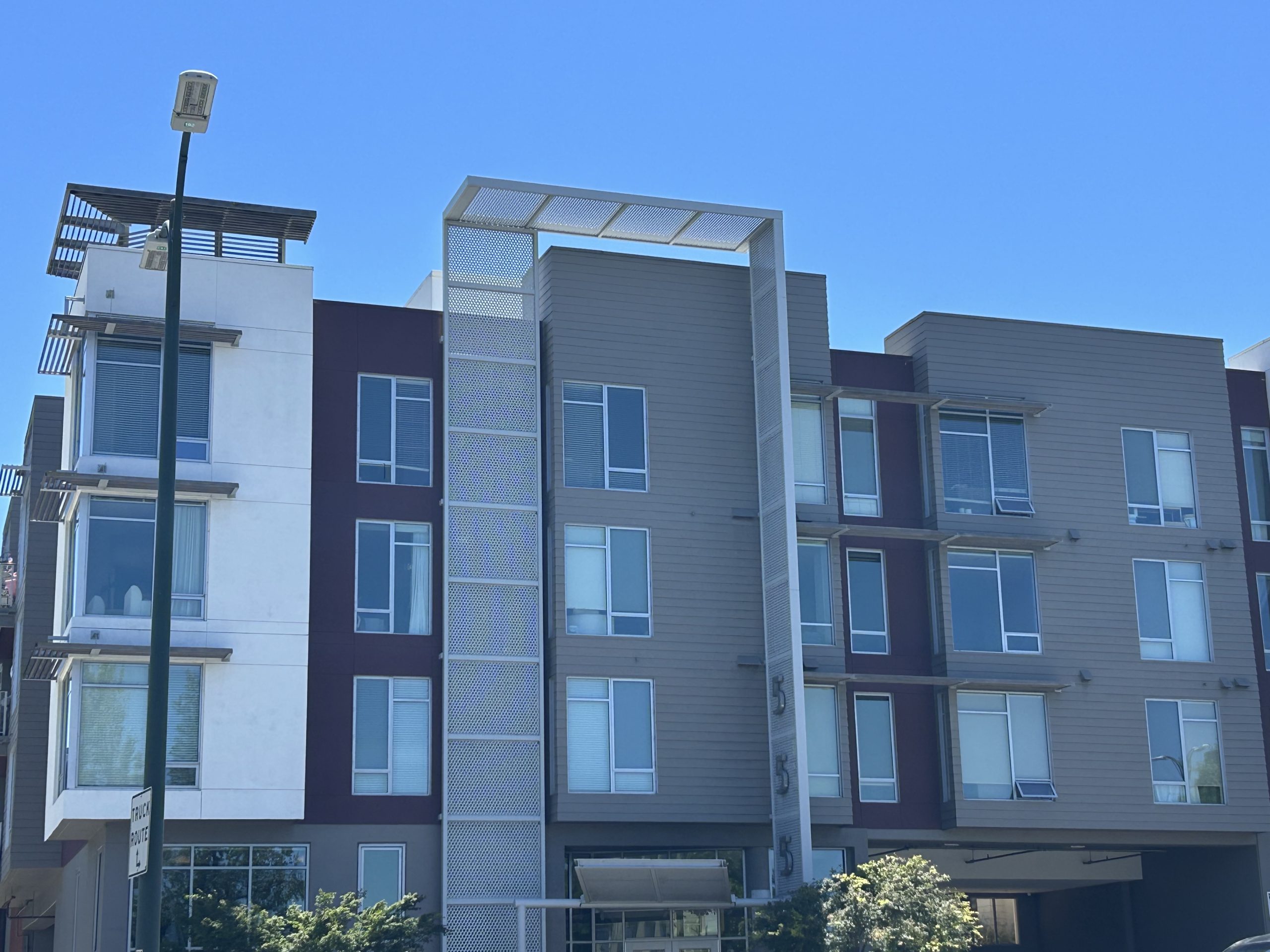
New Condo Lending Rules Could Mean Higher HOA Dues. If you own a condominium or townhome, you may hear more discussions over the next year about reserve studies, HOA budgets, and possibly even higher monthly dues. The reason has nothing to do with a new California law. Instead, it stems from changes Fannie Mae and Freddie Mac are making to their condominium lending guidelines that could affect how many homeowners associations budget for future repairs.
Although the new guidelines are directed at lenders rather than HOAs themselves, they have the potential to influence how condominium associations manage their finances. Communities that fail to meet the applicable financing standards may become more difficult to finance with conventional loans, reducing the number of qualified buyers. That is something no HOA board wants to see because financing plays a major role in protecting property values.
For years, lenders generally looked for associations to contribute at least ten percent of their annual assessment income toward reserve accounts, although many projects also qualified by following the recommendations contained in a professional reserve study. Beginning in August, reserve studies will receive greater scrutiny, and beginning in January 2027, many condominium projects reviewed under Fannie Mae’s Full Review process will need to meet a new fifteen percent reserve funding benchmark unless they qualify under the reserve study alternative. While the details are technical, the practical takeaway is fairly simple. Some associations that have historically kept dues low may need to increase reserve contributions to remain attractive for conventional financinng.
Imagine an association that collects one million dollars each year in assessments. Increasing reserve funding from ten percent to fifteen percent means finding another fifty thousand dollars annually. Unless there is excess income somewhere else in the budget, the board is generally left with a handful of choices. It can increase monthly dues, reduce spending in other areas, postpone projects, or in some circumstances consider a special assessment.
Much of the industry’s focus on reserve funding can be traced to the 2021 collapse of the Champlain Towers South in Surfside, Florida. Engineers had identified significant structural deterioration years before the collapse and recommended extensive repairs that ultimately carried a price tag of roughly $15 million. Like many associations facing expensive projects, the owners struggled over how to pay for the work, and some repairs were delayed while costs continued to rise. When part of the building ultimately collapsed, 98 people lost their lives. The tragedy forced lenders, insurance companies, engineers, reserve specialists, and lawmakers to take a much harder look at deferred maintenance and whether condominium associations were adequately planning for major repairs decades before they became emergencies.
In my experience, buyers today ask much different questions than they did five years ago. They still care about remodeled kitchens and desirable floor plans, but they also want to know how much money the HOA has in reserves, whether a reserve study has been completed recently, whether large repairs are expected, and whether special assessments may be on the horizon. Those questions often tell you more about the long-term cost of ownership than the finishes inside the unit.
Questions about an East Bay condo? Derek Wagley, Broker Associate at Keller Williams Realty can be reached at 925-451-6679 or dwagley@kw.com